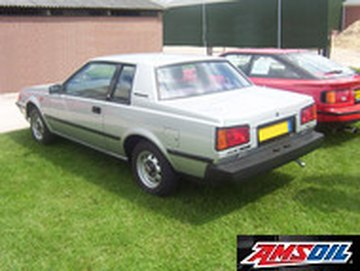
Engine Lubrication Maintenance for the 1982 Toyota CELICA 2.4L
Maintaining the lubrication system of a 1982 Toyota CELICA equipped with the 2.4L [R] 22R engine requires consistent attention to fluid integrity and component condition. As vehicles age, the methods used to monitor and preserve engine health become increasingly important for ensuring continued operational stability.
Monitoring Fluid Condition and Potential Leaks
A primary aspect of routine service involves the visual inspection of the engine bay for any signs of fluid seepage. For an engine of this era, checking the area around various gaskets and seals is a practical way to identify potential issues before they escalate. While many older engines may show minor traces of oil residue, any active dripping or significant wetness on engine components warrants closer investigation.
When performing inspections, look for the following:
- Surface Seepage: Check if oil is accumulating on the exterior of the engine block or near sealing surfaces.
- Fluid Color and Texture: If you are checking the oil level via a dipstick, observe the color and consistency of the lubricant. Extremely dark or gritty oil can indicate that the fluid has been subjected to heavy thermal stress or long service intervals.
- Puddle Identification: Regularly check the ground beneath where the vehicle is parked to identify any slow, intermittent leaks that might not be immediately obvious during a brief engine bay inspection.
It is important to note that various symptoms, such as an unusual odor or visible fluid on the ground, can have multiple underlying causes. A thorough inspection by a qualified technician is necessary to determine the exact source of any detected leakage.
Managing Long-Term Engine Health
For owners of a 1982 Toyota CELICA, establishing a maintenance baseline is one of the most effective ways to manage the vehicle's longevity. If the previous service history of the 2.4L engine is unknown, beginning a detailed log of all fluid changes, filter replacements, and mechanical repairs is highly recommended. This documentation allows you to track how the engine responds to different lubricants and identifies patterns in component wear.
As the vehicle ages, maintenance priorities may shift from purely preventive measures to condition-based monitoring. Rather than following generic age-based replacement schedules for every part, focus on the actual state of the components. For example, inspecting the condition of rubber hoses or electrical connections can provide more accurate information about the vehicle's needs than simply assuming they have reached the end of their service life due to the calendar year.
Prioritizing maintenance involves addressing active concerns first—such as a detected leak or an unusual noise—before moving on to secondary preventive tasks. This approach ensures that resources are directed toward the most critical aspects of the vehicle's current operating condition.
Observing Potential Operational Changes
Beyond visual inspections, paying attention to how the engine behaves during operation can provide vital clues regarding its lubrication status. Owners should remain observant of any changes in the vehicle's standard performance or sound profile.
Changes in mechanical noise, such as new rhythmic sounds or increased clicking, should be investigated promptly. Similarly, if you notice a change in how the engine starts or runs after a service interval, it may indicate that the chosen lubricant or filter is not performing as expected for your specific application. While these symptoms do not point to one single failure, they serve as important indicators that the lubrication system requires professional diagnostic attention.
Inspecting Auxiliary Components
While focusing on engine oil, it is also beneficial to inspect other components that interact with the engine's environment. If equipped, accessible drive belts should be checked for signs of deterioration such as cracking, glazing, or fraying. Similarly, if the vehicle is equipped with various cooling hoses, inspecting them for softness, swelling, or brittleness can help prevent unexpected failures that could lead to overheating.
Maintaining a clean environment around the engine also assists in effective inspections. Accumulated debris can hide small leaks or make it difficult to identify the source of an odor. Periodically ensuring that the engine bay is free of excessive grime allows for more accurate visual assessments during routine maintenance checks.
The Role of Lubricant Quality and Stability
The lubricant used in the 2.4L [R] 22R engine performs several vital roles, including reducing friction between moving parts and assisting in heat management within the engine. Over time, all lubricants undergo chemical changes due to exposure to heat and combustion byproducts. This can lead to a reduction in the fluid's ability to protect internal components effectively.
Using high-quality lubricants helps maintain thermal stability and provides better resistance to oxidation. Some modern formulations are specifically designed with additives intended for use in aging engines, which may include seal-conditioning agents. However, the decision to use such products should be based on the specific needs of your engine's current condition rather than a general assumption about age.
Practical Advice for Buying Engine Oil for a 1982 Toyota CELICA 2.4L
When it is time to replenish or change the oil in your 1982 Toyota CELICA, the most important step is to ensure the product matches the specific requirements of your engine. To select the correct lubricant, match the engine oil to the application-specific viscosity information already displayed on this webpage.
Before finalizing your purchase, consider the following practical steps:
- Verify Viscosity: Do not rely on general knowledge or assumptions based on the vehicle's year; always use the specific viscosity listed in the application data provided here.
- Check API Certification: Ensure the oil container displays a current and appropriate API service symbol to confirm it meets modern quality standards for lubrication and engine protection.
- Evaluate Formulations: Depending on your engine's current condition and your maintenance goals, you may choose between conventional, synthetic blend, or full synthetic oils. If you are managing an engine with higher mileage, you might also consider formulations that include seal-conditioning additives.
- Inspect the Label: Always read the product packaging carefully to confirm that the oil's properties align with the technical specifications required for your 2.4L engine.